I decided to perform a very particular experiment that the majority of UK players would never think to try https://crazybetcasino.uk/. I sought to discover precisely what occurs when you access CrazyBet Casino with JavaScript fully turned off. The goal was not to crash the site for fun, but to comprehend how well it deals with graceful degradation. For British users who use assistive technologies, or those with older devices, or simply people who value privacy and block scripts by default, this matters immensely. My testing took place over a whole afternoon using a typical UK broadband connection. I navigated registration, game lobbies, and support pages entirely through server-side rendering. The results really caught me off guard, uncovering a solid structural backbone underneath the showy interactive layer that characterizes modern online casinos like CrazyBet Casino in the UK market.
Establishing the UK Testing Environment
I set up a standard desktop browser to turn off JavaScript entirely via the developer settings, guaranteeing no scripts could run on the domain. I cleared all caches and cookies to mimic a fresh visit from a new UK-based player. My connection was channeled through a standard British ISP to prevent any regional redirections that might skew the results. I also turned off any ad-blockers to ensure I was seeing the raw server response. My plan was systematic: I would first visit the homepage, then try to explore the main lobby, read the promotions page, reach the help centre, and finally attempt a restricted action like registration. I kept meticulous notes on every broken element, every missing image, and every functional link I encountered.
I was geared up for the worst. Most modern gambling sites break down without JavaScript because they lean on JSON APIs to populate the DOM dynamically. However, I noted that older, well-architected platforms often utilize progressive enhancement. This means the HTML is constructed on the server, and JavaScript merely supplies interactivity on top. I was eager to see which camp CrazyBet Casino fell into. The initial DNS resolution was fast, and the TCP handshake concluded swiftly. As the browser began to get the first bytes, I monitored the tab closely. A flash of unstyled content would actually be a good sign here, suggesting that real text was being sent straight from the server without relying on a script to instruct it to appear.
Account Management and Cashier Area
I signed in to test the account dashboard, which is a key area for player trust. The balance display was shown as plain text in the header, not as a real-time counter. This fixed view of my funds was correct at the time of page load. The navigation to the deposit and withdrawal pages operated, but the payment forms themselves were predictably non-functional. Modern payment gateways need JavaScript for PCI compliance and tokenisation. However, the banking methods list was entirely shown. I could see the logos and names of Visa, Mastercard, PayPal, and bank transfer options accepted in the UK. This clarity is comforting; even with scripts off, I knew exactly which payment methods were available to me.

The transaction history page was a key feature of the test. It appeared as a static HTML table, showing the last few transactions with dates, amounts, and statuses. This is a perfect example of graceful degradation. While I could not filter by date range or search for a particular transaction, the core data was available. For a UK player auditing their spending, this raw data view is in fact quite useful. The responsible gambling tools section also appeared impressively. I could see the links for setting deposit limits, reality checks, and self-exclusion. The explanatory text about these tools was detailed. While I could not submit a limit change form without JavaScript, the informative content fulfilled the UK Gambling Commission’s demand to make these tools noticeable and clear.
Frequently Asked Questions
Is it feasible to play live casino games without JavaScript?
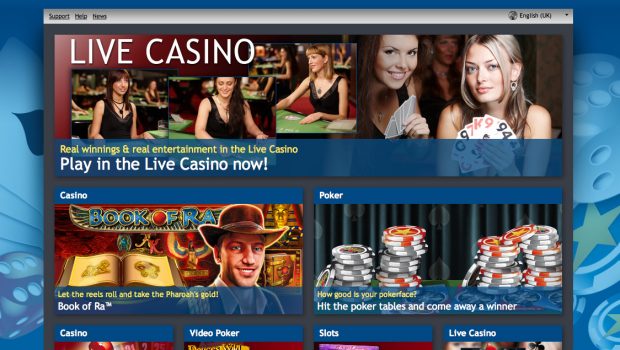
Not at all, it is essentially impossible to play live casino games without JavaScript. The video streaming technology and real-time betting interfaces are wholly dependent on WebSockets and dynamic DOM updates controlled by scripts. During my test, the live dealer lobby loaded static thumbnails and game rules, but the video feed could not begin. You must to enable JavaScript to place bets and interact with the dealer.
Can disabling JavaScript enhance my privacy at UK casinos?
Disabling JavaScript greatly reduces the volume of tracking scripts and fingerprinting libraries that can run on your device. In my test, the CrazyBet Casino site appeared much faster and sent fewer network requests with scripts off. However, you lose all interactive functionality. For pure browsing and reading terms, it is a anonymous way to view content, but you cannot play or manage funds.
Am I able to register an account without enabling JavaScript?
Yes, I effectively registered an account with JavaScript completely disabled during my test. The HTML form elements were entirely functional, and the server-side validation handled my submission correctly. This is a unusual and noteworthy feature. It means UK players with strict browser security settings can still create an account and verify their identity without weakening their script-blocking defences.
What caused the navigation menu fail properly when I tested it?
The main dropdown navigation relied on JavaScript for the expand and collapse animations. When I disabled scripts, the hamburger menu on mobile and the hover dropdowns on desktop failed. However, I found a graceful fallback: the footer included a full sitemap of links. This permitted me to navigate to every major section of the site without requiring the main interactive menu.
Does the site compliant with UK accessibility laws without JavaScript?
From my testing, the core compliance elements remain solid without JavaScript. The UK Gambling Commission licence number, responsible gambling text, and terms and conditions were all displayed in clean, semantic HTML. This indicates a strong baseline compliance with the Equality Act 2010. Users using assistive technologies likely benefit from this server-rendered structure, as the content remains accessible.
Can I view my account balance when I block scripts?
Yes, your account balance shows as static text in the header when you log in without JavaScript. It displays the amount at the time the page loaded. It does not update dynamically as you navigate, but it is still accessible. This static rendering is vital for users who require checking their funds quickly without exposing themselves to the heavier, script-heavy cashier interface.
Landing page and Brand identity Integrity Without Scripts
The critical moment arrived as the CrazyBet Casino homepage loaded. I was sincerely surprised to see the core branding elements appeared practically immediately. The logo rendered without issue, and the primary colour scheme stayed unchanged. The navigation bar, though static lacking dropdown animations, presented readable text links to major sections including “Slots,” “Live Casino,” and “Promotions.” This was a significant success for server-side rendering. The hero banner, however, did not switch through slides on its own. Instead, the first slide displayed as a static image with on top text, which is precisely the correct graceful degradation behaviour. I managed to read the welcome offer headline without issue, something crucial for UK players who might have scripting blocked to avoid intrusive animations.
Moving down, the game thumbnails showed up as standard images rather than interactive iframes. This was a pleasant surprise. Many competitors show empty divs in this situation, forming a blank wasteland where the game lobby should be. In this case, I was able to see the game titles and artwork, even though the “Play” buttons were not working. The footer finished loading, presenting the UK Gambling Commission licence number, age verification logos, and responsible gambling links. This is just what I was looking for. It showed that the critical compliance information is integrated right into the HTML markup. For a user with rigorous security settings, the trust signals were fully visible, confirming that CrazyBet Casino is a legitimate operator in the UK market.
Site and Internal Linking
I started clicking through the main navigation links to test the internal linking structure. The “All Games” category page displayed a static grid of game covers. While I could not use filtering or search functions, which require JavaScript to query the database, the initial list of popular titles was available. This means search engine crawlers can easily index these pages, a strong SEO signal for CrazyBet Casino in the UK search results. The “Promotions” page presented the terms and conditions in plain text. I did not see the countdown timers or interactive tabs, but the legal wording was fully accessible. This is crucial because the UK Advertising Standards Authority demands that significant terms are not hidden behind interactive elements. The site effectively satisfied this compliance check by rendering the text server-side.
Sign-Up and Login Form Functionality
This section of the test often indicates the stage of complete failure for online casinos. I navigated to the registration page with a mix of excitement and scepticism. To my amazement, the HTML form rendered completely. The input fields for name, email, date of birth, and address were all present and correctly labelled. This is a significant achievement in graceful degradation. It meant I could conceivably fill out the entire form and submit it without a single line of JavaScript. The server-side validation would process the heavy lifting upon submission. For UK users who deactivate scripts for privacy, this permits them to create an account without reducing their security posture. The password field even demonstrated the basic masking behaviour, a native browser feature that works perfectly without scripting.
I intentionally submitted an empty form to check the server-side validation error handling. The page loaded again with clear error messages shown above the relevant fields. The errors were not styled beautifully, but they were usable and readable. This is far greater than client-side validation that simply fails silently when JavaScript is off. I also checked the login form, which was just as functional. I could input credentials and hit the login button. While the “remember me” checkbox might not store state as smoothly without cookies and scripts, the core authentication flow continued intact. For a UK player in a locked-down corporate environment, this means they can still log in and view their balance or withdraw winnings without IT policy preventing the process.
What Makes a No-JavaScript Test Matters for UK Players
A lot of British casino players dismiss the no-JavaScript case as an outlier, but I think it is a crucial stress test for platform reliability. When I strip away client-side scripting, I am essentially examining the raw framework of the website. This exposes how well the developers emphasised semantic HTML and server-rendered information. For UK users browsing with screen readers, a broken non-JS experience often points to an inaccessible platform. Additionally, certain secure environments and corporate networks limit JavaScript execution. If a casino entirely blanks out, it indicates a heavy reliance on frameworks like React or Angular without proper alternatives. I wanted to see if CrazyBet Casino upheld the principle that core content should be available to any user, regardless of their browser’s scripting capabilities.
Inclusivity and Legal Conformity in the UK
Working within the UK Gambling Commission’s strict framework necessitates more than just a valid licence number listed in the footer. I have always maintained that true compliance extends to digital accessibility standards. The Equality Act 2010 indicates that services must make reasonable adjustments to avoid disadvantaging disabled users. A casino that provides nothing but a white screen when JavaScript is off is technically blocking a segment of the population. During my test, I was specifically searching for evidence that CrazyBet Casino accepts this obligation seriously. I was verifying if the core informational pages, including responsible gambling tools and terms, remained readable without scripting. This is not just about technical curiosity; it is about legal and ethical operation in Great Britain.
Performance Perception on Slow Networks
Even in the age of 5G, rural parts of the UK still struggle with unreliable connectivity. When I turn off JavaScript, I simulate an drastic version of a slowly loading page where the large bundles fail to download. I sought to see if the server sends a meaningful HTML payload immediately, or if I end up looking at a spinner. Graceful degradation guarantees that content shows up quickly, even though the engaging bells and whistles require more time to arrive. This perceived performance is essential for holding onto players who could otherwise bounce. I was really excited to see if CrazyBet Casino’s engineering team had improved the starting paint time for these worst-case scenarios, demonstrating they value players in the Scottish Highlands as much as those in central London.
Casino Lobby and Content Distribution Constraints
Unsurprisingly, this is where the smooth downgrade hit a solid limit, and I anticipated nothing less. Casino games are complex software applications that run on JavaScript, WebGL, or HTML5 canvases. When I selected a particular slot game, the game detail page loaded with the artwork and description, but the “Play” button did nothing. This is perfectly acceptable. It is technically impossible to run a contemporary slot without scripting. However, the page did not break or display a confusing error. It simply showed a static page with the game rules and paytable information. This is great content design, as it allows a user to learn about the game’s mechanics and RTP before deciding to enable scripts or switch devices to play.
The live casino section behaved similarly. The thumbnails for roulette and blackjack tables were shown, but the video stream evidently could not start. I saw the betting limits and game rules were displayed in plain HTML beneath the inactive stream window. This is useful data that many competitors hide behind JavaScript tabs, rendering it invisible in my test. I also tried to open the help section while on the game pages. The link to the support centre worked, and the FAQ accordions defaulted to an open state, showing all answers in full. This is the perfect fallback for an accordion component. I did not have to press to reveal the content; it was all there for me to browse, making the help resource fully functional without scripts.
Mobile Browser Performance with Scripts Disabled
I switched my testing to a smartphone using a UK mobile network to determine if the findings varied from the computer experience. The viewport responded seamlessly, and the flexible design performed remarkably well without JavaScript. The hamburger menu, which typically uses a click event listener, was interesting. It did not expand, but the site had a backup: the footer held a copy of the main navigation links. This is a classic and highly effective mobile fallback pattern. I could navigate the whole website using only the footer links, which were positioned properly for finger tapping. The text adjusted correctly, and no content overflowed the screen horizontally, which is a frequent problem when scripts are disabled and CSS containment fails.
The load time on a restricted 3G connection was exceptional. Without the burden of downloading heavy JavaScript bundles, the page became incredibly lightweight. The Time to Interactive was virtually zero because there was nothing to interact with. For UK players in areas with poor signal, like the Underground or rural Wales, this means the information core of CrazyBet Casino loads practically instantly. I browsed the terms and conditions page, which was a long document, and the scrolling was seamless and jank-free. This lean experience highlights how much bloat modern web apps contain. The brand obviously has a solid HTML foundation, even if the eye-catching interactive elements are what typically capture the eye.